
Marathon Guide Oregon: An Overview
Oregon presents diverse running landscapes, from coastal trails to mountain vistas, hosting numerous marathons like Eugene, Bend, and Portland.
Plan your race amidst the state’s natural beauty!
Oregon’s marathon scene is as varied and captivating as its geography, offering runners experiences ranging from challenging trail runs to fast, city-based courses. The state boasts a rich running culture, fueled by passionate local clubs and a supportive community. Popular events like the Eugene Marathon, renowned for its fast times, and the scenic Bend Marathon attract runners from across the nation and internationally.
Beyond these flagship races, Oregon hosts a wealth of smaller, regional marathons, providing opportunities for runners of all levels to test their endurance. The state’s commitment to outdoor recreation and its stunning natural beauty make it an ideal destination for marathon enthusiasts. Whether you’re seeking a qualifying race or a memorable adventure, Oregon has a marathon to suit your goals.
Oregon’s Geography and Climate for Runners
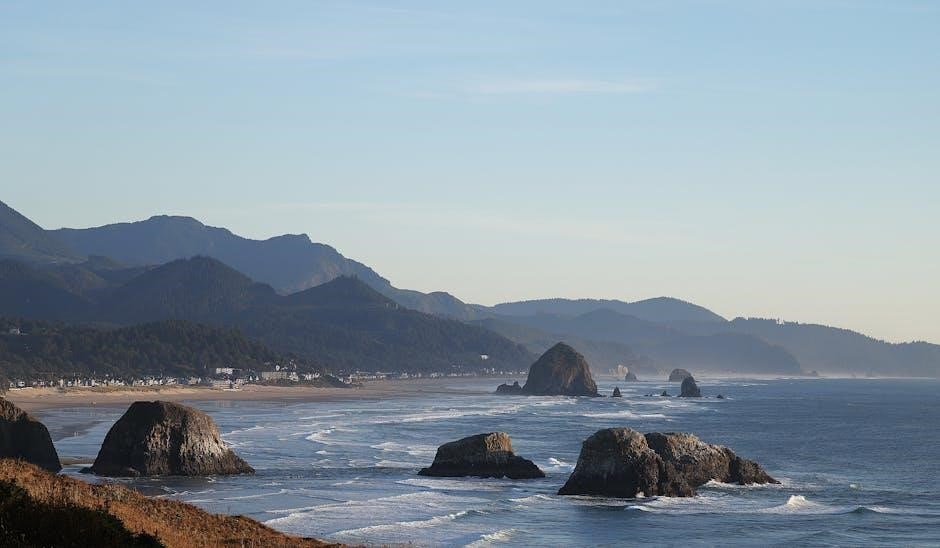
Oregon’s diverse geography presents unique challenges and rewards for marathon runners. The coastal regions offer relatively flat courses with potential for wind and rain, while the Cascade Mountains introduce significant elevation gain and unpredictable weather. Eastern Oregon features high desert terrain, demanding heat adaptation and careful hydration strategies.
The climate varies dramatically across the state. Western Oregon experiences mild, wet winters and warm, dry summers, while eastern Oregon has colder winters and hotter, drier summers. Runners should prepare for potential temperature fluctuations and varying conditions, even within a single race. Understanding these geographical and climatic factors is crucial for effective training and race-day success.

Popular Oregon Marathons
Oregon boasts renowned races like the Eugene, Bend, and Portland Marathons, attracting runners with scenic courses and vibrant race atmospheres. Explore these premier events!
Eugene Marathon
Eugene Marathon, a cornerstone of Oregon’s running scene, offers a fast and scenic course through the “TrackTown USA” area. Established as a premier running destination, it attracts athletes seeking a qualifying time for Boston. The course winds through picturesque neighborhoods and along the Willamette River, providing a relatively flat profile ideal for personal bests.
Registration typically opens several months in advance, with tiered pricing. Qualifying standards align with Boston Marathon requirements, and the event features a full marathon, half marathon, 5K, and kids’ dash. Beyond the race, Eugene provides a vibrant atmosphere with numerous restaurants and attractions for runners and their families to enjoy. It’s a truly immersive running experience!
History and Course Details of Eugene Marathon
Eugene Marathon’s origins trace back to a community desire for a premier running event, capitalizing on Eugene’s reputation as “TrackTown USA.” First held in 1974, it has evolved into a significant race attracting runners from across the nation and internationally. The course is renowned for its flatness and speed, making it a popular Boston Marathon qualifier.
Starting and finishing near the Autzen Stadium, the route primarily follows the Willamette River bike path, minimizing elevation changes. Runners experience scenic views of the city and surrounding landscapes. Aid stations are strategically placed throughout, offering hydration and fueling options. The course is USATF certified, ensuring accurate distance measurement for qualifying times.
Eugene Marathon: Qualifying Standards & Registration
Eugene Marathon adheres to Boston Marathon qualifying standards, which vary by age and gender. Runners aiming for Boston need to meet or exceed these times. Registration typically opens in the fall for the following year’s race, with tiered pricing increasing closer to the event date. Early registration is highly recommended due to the race’s popularity.
The registration process is online through the official race website, requiring participants to provide personal information, emergency contacts, and agree to the race rules. Runners can choose to register for the full marathon, half marathon, 5k, or kids’ dash. Packet pick-up occurs a few days before the race at the Eugene Convention Center, including bib number, timing chip, and race shirt.
Bend Marathon
Bend Marathon, nestled in Central Oregon, offers a scenic and challenging course. Known for its high desert terrain and stunning views of the Cascade Mountains, it attracts runners seeking a unique marathon experience. The race typically takes place in the spring, capitalizing on pleasant weather conditions before the summer heat. Bend itself is a vibrant outdoor recreation hub, providing ample opportunities for pre- and post-race exploration.
This marathon is popular for its well-organized event, enthusiastic community support, and diverse range of runners. Participants can expect a course that combines paved roads with some gravel sections, adding to the adventure. The finish line celebration is a highlight, with local vendors and entertainment creating a festive atmosphere.
Bend Marathon Course Profile & Scenery
The Bend Marathon course is renowned for its breathtaking scenery and moderately challenging profile. Runners traverse a mix of paved roads and scenic dirt paths, showcasing the high desert landscape and majestic Cascade Mountains. Expect rolling hills rather than steep climbs, making it accessible to a wide range of abilities. The course winds along the Deschutes River, offering picturesque views and a refreshing atmosphere.
Participants will experience the beauty of Central Oregon’s diverse terrain, passing through parks, neighborhoods, and open spaces. The scenery provides a constant distraction from the physical demands of the race. The course is designed to highlight Bend’s natural beauty, creating a memorable and rewarding marathon experience for all.
Bend Marathon: Accommodation & Travel
Bend, Oregon, offers a wide array of accommodation options to suit every budget, from luxury resorts to budget-friendly hotels and vacation rentals. Booking well in advance is highly recommended, especially during peak season and around the marathon date. The city is easily accessible via Redmond Municipal Airport (RDM), with connections to major hubs. Alternatively, Portland International Airport (PDX) is a longer drive, approximately three hours.
Rental cars are readily available at both airports. Within Bend, public transportation and ride-sharing services provide convenient options. Consider staying near the marathon start/finish line for easy access. Explore lodging options in downtown Bend for proximity to restaurants and attractions.
Portland Marathon
The Portland Marathon is a premier Oregon running event, renowned for its scenic course and enthusiastic community support. Established as a significant race, it attracts runners of all levels. The course winds through diverse Portland neighborhoods, showcasing iconic landmarks and vibrant cityscapes. Participants can expect a challenging yet rewarding experience, with varied terrain and enthusiastic spectators lining the route.
Known for its festive atmosphere, the Portland Marathon offers a memorable race day. Runners should prepare for potential weather variations, typical of Oregon’s climate. Detailed course maps and elevation profiles are available online for training purposes.
Portland Marathon: Course Highlights & Challenges
The Portland Marathon’s course is celebrated for its diverse scenery, starting downtown and traversing through various neighborhoods, including Sellwood and Ladd’s Addition. Runners enjoy views of the Willamette River and iconic bridges. However, the course isn’t without its challenges. Expect some rolling hills, particularly in the later stages, demanding endurance and strategic pacing;
The course profile includes sections along flat stretches, offering opportunities for faster times, but the gradual inclines require consistent effort. Weather conditions can also present a challenge, with potential for rain or wind. Proper preparation and awareness of the course map are crucial for a successful race.
Portland Marathon: Spectator Information
Spectators play a vital role in fueling runners’ spirits during the Portland Marathon! The course offers numerous vantage points for cheering, with easily accessible locations along the route. Popular spots include downtown Portland, near the start/finish line, and areas within vibrant neighborhoods like Sellwood and Ladd’s Addition.
The race organizers typically provide a course map highlighting spectator zones and aid stations. Public transportation is recommended due to parking limitations. Remember to bring signs and enthusiastic cheers to motivate the participants! Check the official marathon website for specific details regarding spectator access, road closures, and event schedules to maximize your support and enjoyment.
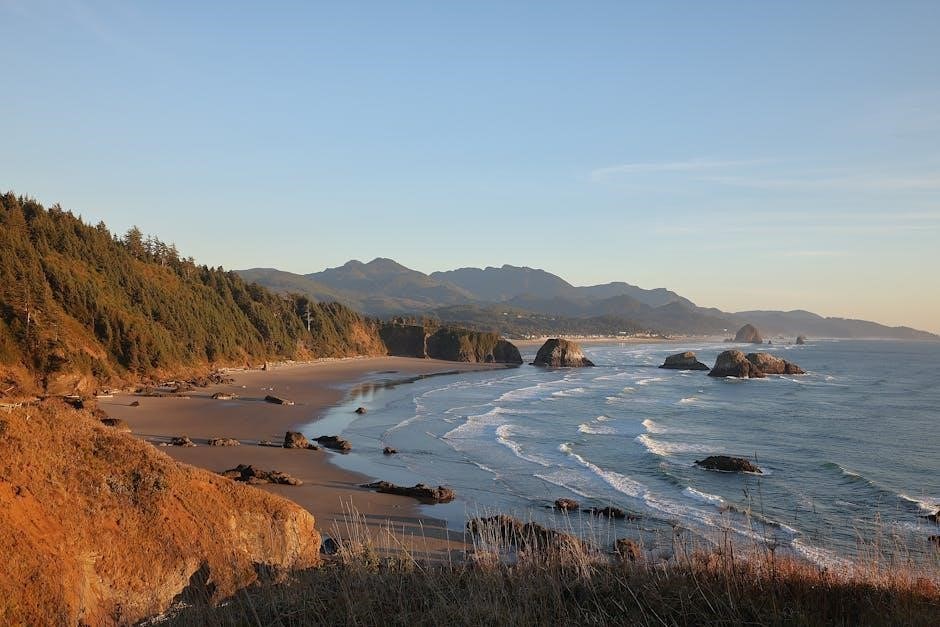
Smaller & Regional Oregon Marathons
Oregon boasts charming, smaller marathons like Vernonia and Newport, offering unique experiences beyond the larger events, perfect for trail and coastal running enthusiasts.
Vernonia Marathon
The Vernonia Marathon presents a captivating trail running experience, diverging from traditional road races. This event, nestled in the lush forests of Oregon, offers a challenging yet rewarding course for seasoned trail runners. Expect varied terrain, including gravel paths, wooded trails, and potentially some technical sections, demanding both endurance and agility.
Logistically, runners should prepare for a more remote race environment compared to city marathons. Support stations will be available, but self-sufficiency is encouraged. Transportation to Vernonia requires planning, and accommodation options are limited, often necessitating stays in nearby towns. The marathon’s appeal lies in its immersive natural setting and the strong sense of community among trail running enthusiasts. It’s a fantastic option for those seeking an off-the-beaten-path marathon adventure.
Vernonia Marathon: Trail Running Experience
The Vernonia Marathon distinguishes itself with a truly immersive trail running experience. Unlike paved road marathons, this race unfolds on a course dominated by gravel paths and winding wooded trails. Runners should anticipate varied terrain, demanding adaptable footwork and consistent effort. Expect rolling hills, potentially muddy sections (depending on weather), and a constant connection with Oregon’s natural beauty.
This marathon isn’t about achieving a personal best on a flat course; it’s about embracing the challenge and enjoying the scenery. Trail running requires different muscle engagement and a heightened awareness of your surroundings. Prepare for a slower pace and focus on maintaining consistent energy levels. It’s a rewarding experience for those seeking a more rugged and adventurous marathon challenge.
Vernonia Marathon: Logistics and Support
Logistically, the Vernonia Marathon presents unique considerations due to its trail location. Transportation to Vernonia, a smaller town, requires planning – carpooling is highly recommended. Parking can be limited, so arrive early. Aid stations are strategically placed along the course, offering water, electrolytes, and basic first aid, but runners should carry sufficient hydration and nutrition.
Crew access is restricted on much of the trail, so self-sufficiency is key. The race organizers provide limited support vehicles for emergencies. Familiarize yourself with the course map and elevation profile beforehand. Post-race, Vernonia offers limited lodging and dining options, so pre-booking is advisable. Be prepared for potentially cooler temperatures and variable weather conditions in this forested area.
Newport Marathon
The Newport Marathon offers a unique coastal running experience along the Oregon coastline. This marathon is known for its scenic views of the Pacific Ocean and charming coastal towns. Runners can expect a relatively flat course, making it a good option for those seeking a personal best. However, be prepared for potential wind and marine layer conditions, common along the Oregon coast.
The race typically takes place in May, offering pleasant spring weather. Newport provides a welcoming atmosphere with strong community support. It’s a smaller marathon, fostering a friendly and intimate race environment. Expect local businesses and residents to cheer you on throughout the course, enhancing the overall experience.
Newport Marathon: Coastal Running
Coastal running in the Newport Marathon presents a distinctive challenge and reward. The course primarily follows Highway 101, offering breathtaking views of the Pacific Ocean, Yaquina Bay, and rugged coastline. Runners should anticipate potential headwinds, a common characteristic of Oregon’s coastal environment, impacting pace and endurance. The marine layer can also create cool, damp conditions, requiring appropriate gear.
Despite these elements, the scenery is unparalleled. Passing by beaches, lighthouses, and charming coastal communities provides a memorable backdrop. The relatively flat terrain minimizes significant elevation changes, but the constant exposure to the elements demands strategic pacing and hydration. Embrace the unique coastal atmosphere for an unforgettable marathon experience!
Newport Marathon: Community Involvement
The Newport Marathon deeply integrates with the local community, fostering a welcoming and supportive race environment. Numerous volunteers from Newport and surrounding areas dedicate their time to ensure a smooth and enjoyable experience for all participants. Local businesses actively participate, offering sponsorships, hosting pre- and post-race events, and providing essential services.
The marathon boosts the local economy, attracting runners and their families who contribute to tourism revenue. It’s a source of local pride, showcasing Newport’s scenic beauty and vibrant spirit. Spectators line the course, cheering on runners and creating a festive atmosphere. The event truly embodies a collaborative effort, strengthening community bonds and celebrating the spirit of running.
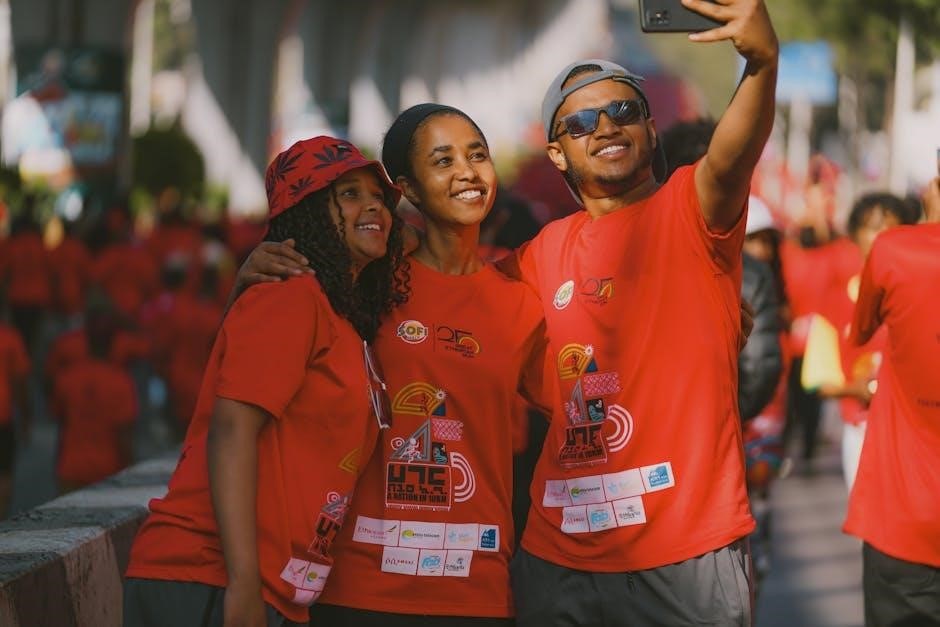
Training for an Oregon Marathon
Oregon’s varied terrain demands adaptable training; incorporate hill work and trail runs. Build a plan considering elevation changes and potential weather conditions for optimal race preparation.
Oregon’s Terrain and Training Adjustments
Oregon’s diverse geography significantly impacts marathon training. Coastal routes, like those near Newport, introduce wind and soft sand, requiring strengthened leg muscles and adjusted pacing. The Cascade Mountains, prevalent near Bend and Eugene, demand hill training to build endurance and leg strength.
Inland races often feature rolling hills or flat stretches, necessitating varied workouts. Trail running, common in Vernonia, builds agility and strengthens stabilizing muscles. Account for potential rain and varying temperatures; train in similar conditions. Prioritize strength training focusing on core and legs. Consider altitude adjustments if training at higher elevations. Proper footwear is crucial for navigating diverse surfaces. Listen to your body and adjust your plan accordingly to avoid injury and maximize performance.
Building a Marathon Training Plan for Oregon Races
A successful Oregon marathon plan requires customization based on the race’s terrain and climate. Begin with a solid base of consistent running, gradually increasing mileage. Incorporate long runs, tempo runs, and interval training. Hill repeats are vital for races like Eugene and Bend.
Include strength training twice weekly, focusing on core, legs, and glutes. Practice fueling and hydration strategies during long runs, mimicking race-day conditions. Schedule rest days for recovery. Taper mileage in the weeks leading up to the race. Consider a training plan lasting 16-20 weeks. Adapt the plan based on your experience level and any pre-existing injuries. Don’t forget to factor in Oregon’s potentially unpredictable weather!
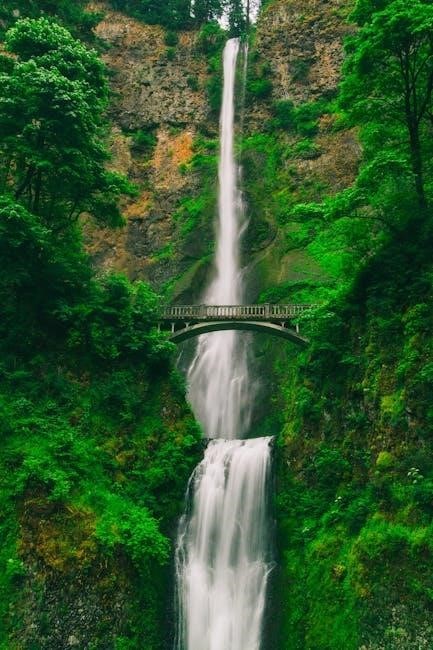
Race Day Logistics
Oregon marathon access involves planning transportation to start lines and securing nearby accommodations. Early booking is crucial, especially for popular events like Portland and Eugene!
Transportation to Oregon Marathon Start Lines
Oregon’s varied marathon locations necessitate careful transportation planning. For events like the Eugene Marathon, consider flying into Eugene Airport (EUG) and utilizing ride-sharing services or rental cars. Portland Marathon runners can leverage Portland International Airport (PDX) with its extensive public transportation options, including the MAX light rail.
The Bend Marathon, situated in Central Oregon, might require flying into Redmond Municipal Airport (RDM) followed by a longer drive. Vernonia and Newport Marathons, being more remote, often demand renting a vehicle for convenient access. Always factor in potential traffic, especially during peak season, and pre-book transportation where possible. Shuttle services are sometimes offered by race organizers – check their websites for details. Coordinating with fellow runners for carpools can also be a cost-effective and environmentally friendly option.
Accommodation Options Near Oregon Marathon Events
Oregon offers diverse lodging choices near its marathon start lines. For the Eugene Marathon, numerous hotels and Airbnb options exist within walking distance of the downtown start. Portland Marathon runners will find a vast selection of hotels, from budget-friendly to luxury, easily accessible via public transport.
Bend Marathon accommodations range from riverside resorts to cozy cabins, though booking well in advance is crucial. Vernonia and Newport Marathons present more limited options; consider smaller inns, vacation rentals, or camping for a unique experience. Expect higher rates and increased demand during race weekends. Explore options in neighboring towns if availability is scarce, but factor in commute times. Checking race websites for partnered hotels offering discounts is always recommended.
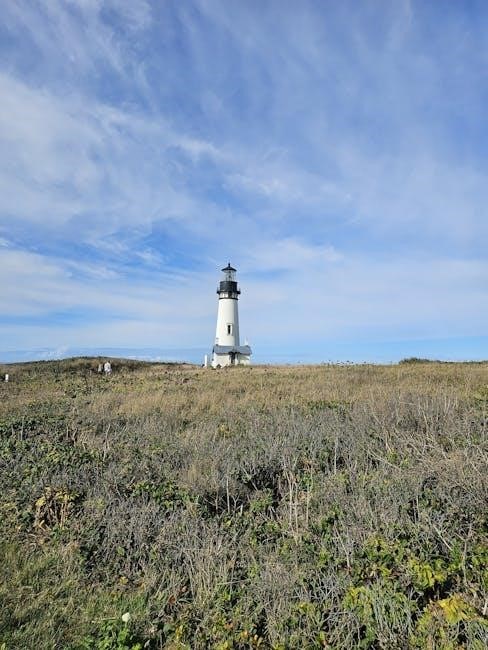
Nutrition and Hydration in Oregon’s Climate
Oregon’s varied climate demands strategic fueling and hydration during marathons; consider temperature fluctuations and potential rainfall for optimal performance and recovery.
Fueling Strategies for Oregon Marathon Runners
Oregon marathons require a nuanced fueling approach due to the state’s diverse conditions. Prioritize carbohydrate loading in the days leading up to the race, focusing on complex carbohydrates like whole grains and sweet potatoes. During the marathon, aim to consume 30-60 grams of carbohydrates per hour, utilizing gels, chews, or sports drinks.
Consider the potential for cooler, wetter weather, which can suppress appetite. Practice your fueling strategy during training to ensure your body tolerates it well. Don’t neglect electrolytes, especially sodium, to replace those lost through sweat.
Experiment with different fuel sources to find what works best for you. Some runners prefer real food options like bananas or dates, while others rely on processed gels. Remember to hydrate consistently alongside your fueling to maximize absorption and prevent gastrointestinal distress. Proper fueling is crucial for sustaining energy levels throughout the challenging Oregon courses.
Hydration Considerations for Oregon’s Weather
Oregon’s weather presents unique hydration challenges for marathon runners. Coastal races like Newport can be surprisingly humid, hindering sweat evaporation, while inland events like Bend may experience dry heat. Regardless, consistent hydration is paramount. Begin hydrating several days before the race, and drink 16-20 ounces of water in the hours leading up to the start.
During the marathon, aim to drink 4-8 ounces of fluid every 15-20 minutes, adjusting based on weather and sweat rate. Electrolyte drinks are vital to replace sodium lost through perspiration, preventing hyponatremia.
Be prepared for potential rain; while it might seem counterintuitive, you still need to actively drink; Monitor your urine color – pale yellow indicates adequate hydration. Overhydration is also dangerous, so listen to your body and avoid excessive fluid intake.

Post-Marathon Recovery in Oregon
Oregon offers diverse recovery options, from city-based resources to natural environments like hot springs and scenic trails, aiding muscle repair and rejuvenation.
Recovery Resources in Oregon Cities
Oregon’s urban centers provide excellent post-marathon recovery facilities. Portland boasts numerous sports medicine clinics offering physiotherapy, massage therapy, and compression treatments to address muscle soreness and fatigue. Several yoga studios specialize in restorative practices beneficial for runners. Eugene, a renowned running hub, features specialized running stores with gait analysis and recovery footwear recommendations.
Bend provides access to athletic trainers and wellness centers focused on active recovery. Many cities have well-equipped gyms and pools for low-impact cross-training. Don’t overlook the benefits of cryotherapy centers gaining popularity across the state. Remember to prioritize proper nutrition and hydration alongside these resources for optimal recovery, allowing your body to fully rebound after the challenging marathon experience.

Oregon’s Natural Recovery Environments
Oregon’s diverse landscapes offer unique natural recovery options post-marathon. The Oregon coast provides soothing ocean breezes and gentle beach walks, promoting circulation and reducing inflammation. The Cascade Mountains offer opportunities for restorative hikes amidst serene forests, aiding mental recovery. Numerous natural hot springs, like those near Bend, provide mineral-rich waters to soothe aching muscles.
Rivers and lakes throughout the state are ideal for gentle swimming or kayaking, promoting low-impact movement. The state’s abundant parks and trails encourage mindful walks in nature, reducing stress and enhancing well-being. Utilizing these natural environments alongside traditional recovery methods can significantly enhance the healing process and overall post-race rejuvenation.
Oregon Running Community & Resources
Oregon boasts vibrant running clubs and online resources, fostering a supportive community for runners of all levels. Connect and thrive!
Local Running Clubs in Oregon
Oregon’s running scene thrives thanks to numerous dedicated clubs catering to diverse interests and skill levels. Portland Running Company hosts various group runs and events, fostering a welcoming atmosphere for all. The Oregon Track Club (OTC) is renowned for its elite athletes and community programs, offering coaching and training opportunities.

For trail enthusiasts, the Mazamas provides guided hikes and runs in Oregon’s stunning wilderness. Several smaller, regionally focused clubs exist throughout the state, like the Willamette Valley Road Runners and the Eugene Running Club, offering local races and social events. These clubs provide invaluable support, camaraderie, and training resources, enhancing the marathon experience for both newcomers and seasoned runners. Joining a club is a fantastic way to connect with fellow runners and discover new routes!
Oregon-Specific Marathon Resources & Websites
Planning an Oregon marathon benefits greatly from utilizing dedicated online resources. OregonRunner.com provides a comprehensive race calendar, training tips, and local running news. RunOregon offers detailed race reviews, course maps, and runner profiles, aiding in informed decision-making; For finding specific events, Active.com and RunningintheUSA.com list numerous Oregon races, including marathons, half marathons, and 5Ks.
The official websites of individual marathons – Eugene, Bend, and Portland – are crucial for registration, qualifying standards, and logistical details. Additionally, the Oregon Encyclopedia provides historical context and cultural insights into the state, enriching the overall marathon experience. These resources collectively offer a wealth of information for runners preparing for a race in the Beaver State.